Delicious Food

New cookery writer

Amber bremner brings her delicious food to the Kiwi

Gardener table.

We’re delighted to welcome Amber Bremner, author of popular plant-based food blog Quite Good Food, to Kiwi Gardener. A champion for cooking and eating food that makes you feel good, Amber believes small changes in the way we approach food have the power to make a difference.
After wistfully saying goodbye to the last of autumn produce, it’s time to transition to heartier winter fare. For our mostly vegetarian household, that typically means a focus on a wider range of plant proteins, slower cooking, all the soups, roasted everything, more lentils and beans in the meal rotation, and the odd wholesome dessert.

As merely an enthusiastic amateur in the garden (just ask my green-fingered mother), my winter garden is nothing to get too excited about. i have plenty of leafy greens and herbs going on, rampant rosemary threatening to push over a fence and lots of citrus. i appreciate having a steady supply of fresh greens and herbs on hand to elevate heavier winter meals, but i’m a fairweather gardener, let’s be honest.

italian-style chickpea farinata is high in protein and deeply satisfying. Chickpea flour, water and salt are whisked together to create a smooth, thin batter, then set aside for a few hours for the chickpea flour to hydrate. Rosemary is a traditional addition, and i love it with a little lemon zest and chilli for good measure. to cook the farinata, you need a heavy, ovenproof pan (cast iron is ideal). Heat the pan and oil until they are smoking hot, pour the batter in, then put on a high shelf in a very hot oven to grill until it’s deeply golden, crispy on top, with lacy edges pulling away from the sides. You can serve it in wedges, as it is, but i like to top it with something seasonal – in this case, charred broccoli, a scattering of capers and parsley, and a big squeeze of lemon.

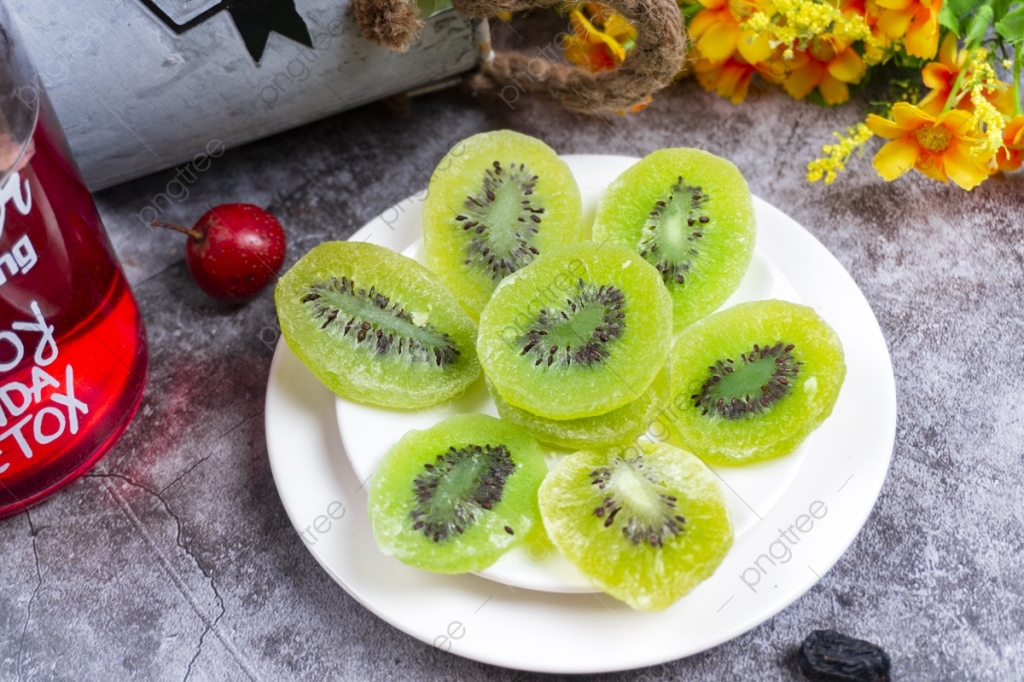
With dinner done and dusted, how about dessert? every year i end up with bowls of feijoa everywhere and a freezer full of scooped fruit ready and waiting for future use. the idea is to make it last through the barren, feijoa-less months ahead of us, but in reality that never happens as we gobble it all up in desserts and smoothies! this version of apple and feijoa crumble is made with rolled oats, buckwheat flour, ground almonds and chopped macadamias in place of white flour. sweetened with brown sugar, it has a darker and more caramelised flavour than a traditional crumble, and the macadamias are a real highlight with their buttery flavour and crunch. Also departing from tradition, i use coconut oil instead of butter. A dairy-free spread like olivani works well too, or go ahead and use butter if you don’t need it to be dairy-free. swap out the brown sugar for the alternatives listed if you prefer it to be free from refined sugar.
Delicious Food

Raw Revolution: A Tasty And Healthy Snack For The Fashionista On The Go

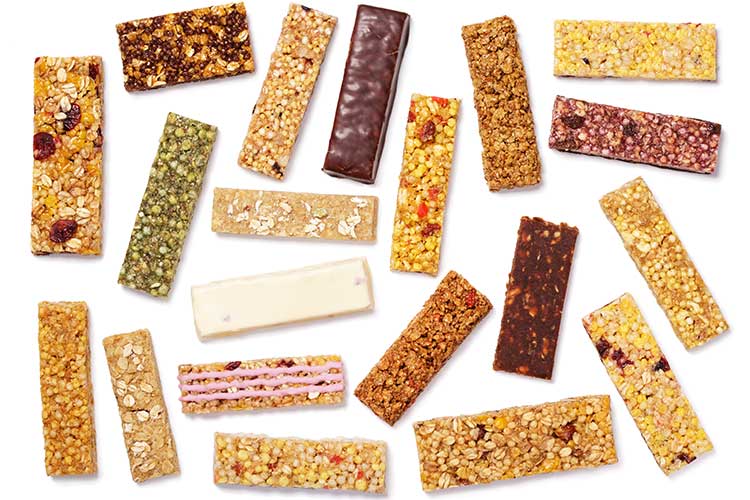
Whether you are looking for a tasty snack to keep in your handbag on those long days, or if you are just looking for a healthier alternative to your current snacking choices, we’ve found something we think you’ll enjoy! Raw Revolution has a line of organic bars that were created with health, nutrition and taste in mind!

Husband and wife team Dave and Alice Benedetto began creating these bars in their kitchen, and now those bars have been perfected into what Raw Revolution offers today. The nutritious bars are certified organic and made with minimal processing. These healthy bars are still totally packed with flavor, and we love the variety of flavors available.

With flavors like chocolate coconut bliss, apple cinnamon, chocolate cherry chunk, almond butter cup and chocolate raspberry truffle, you are sure to fall in love with these bars!

Delicious Food

Lacto Fermentation: The Easy Way To Eat Healthier

First of all, what is Lactic Fermentation?

Fermentation is what happens when microorganisms break down food and produce beneficial acids and gases. Lactic or Lacto fermentation is the name given to the process of lactobacilli breaking down food in a controlled environment to help digest hard-to-process sugars and turn them into acids that rebuild your body’s ability to digest food.

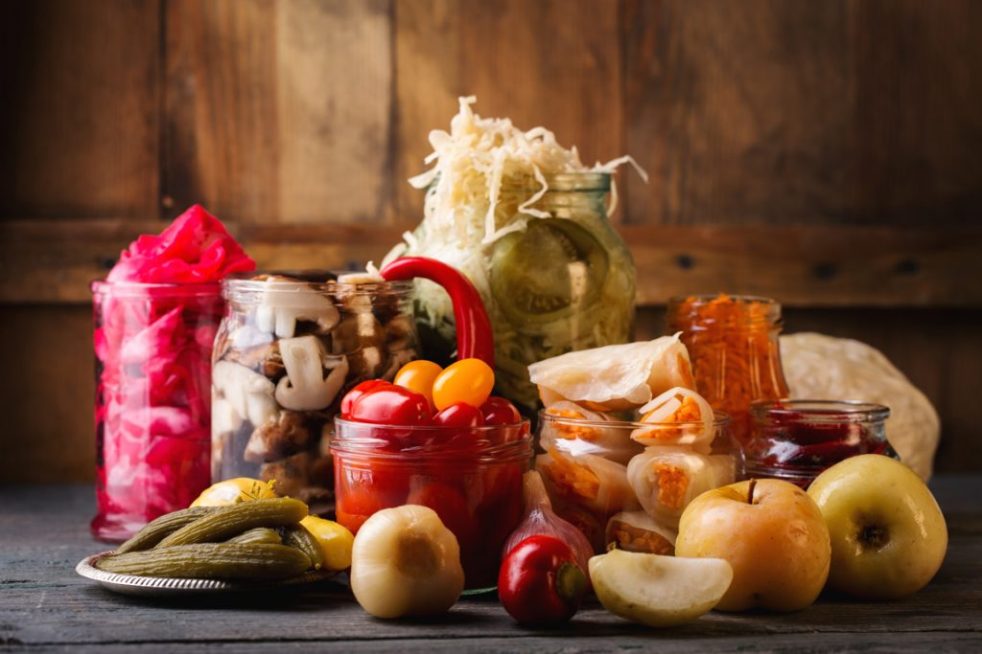
Lacto fermentation is an ancient form of food preservation that was the ancestor of staple foods we have today such as bread, wine, and cheese. Basely, it is the bubbles you find in sourdough, the fizzy-ness of juice left out on the counter too long, and the sharp taste of milk that is a little past it’s due date. You see, on every vegetable, in every lump of bread dough and even in the air around you, there are bacteria and yeasts that love to feast on our food, if we let them.

When you prepare food in a way that is hospitable to our friends the lactobacilli and allow a fermentation period for your food before eating or cooking with it, that practice is called lacto fermentation, and it is getting more popular every day.

Fermented food and drinks are alive, in a very literal way. They have a distinctive flavor and aroma that ranges from light and bubbly to strong and pronounced. Think of the smell of sauerkraut, pickles, and fresh baked, warm sourdough bread.

Eww!

You may think that this is gross. Why would you sour perfectly good food? Well, because it is good for you and because it is a delicious way to make your diet healthier and more diverse in beneficial bacteria. Do you like cheese? Sourdough bread? Wine? Ale? Sauerkraut? These foods all started with basic lactic fermentation of milk, wheat, grapes, barley and cabbage.

So, what are the health benefits of lacto fermentation?

Lactic fermentation not only preserves vitamins and minerals already present in food, but it breaks down the hard-to-digest vitamins and sugars, making them easier for your body to process. The lactic fermentation of milk can be a great option for the lactose intolerant, for lactobacilli feast on the milk sugar lactose and produces a healthy and easy-to-digest lactic acid. Lacto fermenting grain and legumes can and will greatly increase the health benefits and digestibility of both food groups.

Lacto fermentation creates new vitamins, as well. These include but are not limited to:

  1. Folic acid
  2. Niacin
  3. Thiamin
  4. B 12

Lactobacilli can also produce omega-3 fatty acids, crucial to your body’s cell structure and even brain and immune system function.

How do I get started and find out more?

There are loads more information to be found in books, online and periodicals dedicated to the rediscovery of this ancient form of food preservation and preparation. Websites such as Cultures for Health and GNOWFGLINS are priceless resources to the new food fermenter. They provide endless information, articles, recipes, supplies, how-to articles, and one-on-one help and guidance. There are e-classes, e-books and an entire community of other people culturing and fermenting foods who will share their experiences and share advice to help you get started on your way to a healthier, wider and more flavorful diet of cultured and fermented foods.

Delicious Food

Inaugural Baltimore Brew Festival Will Be Held On Saturday

Baltimore continues to be the place of new events. The first ever Baltimore Brew Festival will be held on Saturday at West Shore Park. West Shore Park is located between located between the Baltimore Visitor Center and the Maryland Science Center. The brew festival will be held from 2:00- 6:00 p.m. for VIP ticket holders and 3:00-6:00 p.m. for non VIP ticket holders. VIP tickets are $50 and non VIP tickets are $40. The event will feature dozens of local breweries, live music and food trucks. This event will be held rain or shine.

“Featured local breweries include DuClaw, Flying Dog, Flying Fish, Full Tilt, National Bohemian, PortCity, Starr Hill, Stillwater, Tall Tales, Union and more. Local eats will be provided by Crusin’ Café, Gypsy Queen, Jurassic Pork and The Smoking Swine.” You can purchase ticket to the brew festival by clicking here. You can learn more about the Baltimore Brew Festival by clicking here or by going to the Facebook page by clicking here. Have a great time and drink responsibly.

Delicious Food

Gear Review: FSD Food, Fire, Filter Bucket, 72 Hour Emergency Kit

Water, food, and shelter are the three most basic requirements to staying alive. They are also typically the three scarcest necessities available when it comes to natural disasters caused by earthquakes, tornadoes, hurricanes, tsunamis, or other emergencies. The FSD Food, Fire, Filter Bucket will give you a fighting chance during any natural disaster.

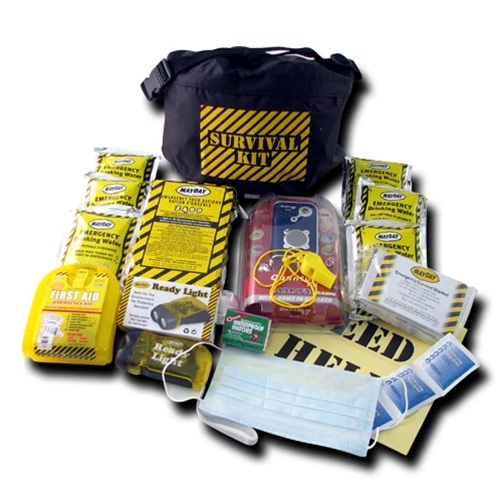
One of the best ways to be prepared for those scenarios is to stockpile emergency supplies such as food, water and gear/equipment. The 72-hour emergency kit by Food Supply Depot is a great way to get started when building an emergency survival kit for your home and family.

The food included in this kit consists of 1 pouch of each of the following: Artisan Oatmeal (4 servings), Harvest 6 Grain Cereal (4 servings), Texan Sunrise Skillet (4 servings), Instant Milk Powder (4 servings), Orange Drink Powder (8 servings), Nantucket Potato Soup (5 servings), Rotini á la Marinara (5 servings), & Rio Grande Beans & Rice (3 servings). This is easily enough food for a family of 3 to stay well fed for 72 hours. During a potentially long lasting emergency survival scenario, the food in this kit can keep you alive for weeks if rationed properly.

I have used similar meals on backpacking trips. Even though they may not taste exactly like they came from a 5 star restaurant, they definitely taste quite good. This is especially true when you are tired, cold and hungry after a long day of exerting yourself. If I were forced to be picky and asked to try to improve upon the included food, I would merely like to have some sealed freeze dried fruit, peanut butter packets, and some butter crackers to provide some snacking options.

This kit also comes with the following items to help you prepare your meals: a cook pot with detachable handle, pocket knife/fork/spoon tool, 8 oz. measuring cup, lightweight portable cooking stove/grill, a box of waterproof matches, 6 pouches of Insta-fire fire starter, a 23 pc. First Aid kit, and even a water bottle with a built-in water filter. To top it off, all this gear comes in a sturdy square bucket with a comfortable built-in handle.

When it comes to emergency survival gear, I feel it’s better to have a wide variety. A few things I would have liked to see included in this kit are as follows: long shelf-life sealed emergency water pouches, chemical glow stick, compass, signal mirror, whistle or compressed air horn, emergency strobe light, rain ponchos, emergency Mylar thermal blankets, solar hand crank AM/FM/NOAA weather band radio, solar waterproof flashlight, latex gloves and a quick-clot trauma pack for the First Aid kit. Luckily, these are all things you can easily find at any camping gear, military surplus, or online store.

What makes this emergency kit such a great investment is its long shelf life. If stored in a cool dry environment, the included food can last for 20 years. When that expiration date starts to approach, I suggest eating these meals on your next camping trip. I recently cracked open an old emergency food and water kit that was about to expire. I was greatly impressed with how edible the food still was. I’m sure the FSD Food, Fire, Filter Bucket , 72-hour Emergency kit will perform equally admirably near the end of its shelf life. Bottom line, this emergency kit comes with a great selection of food/drink, all the accessories needed for cooking that food, utensils for eating it, a nice little first aid kit, a great water bottle filter, and an impressive 20-year shelf life. If you are looking to build a collection of emergency survival gear that you can trust with your life, the 72-hour FSD Food, Fire, Filter Bucket Emergency kit is the perfect first step.