Uncategorized

Student Kitchen Essentials, Tips, and Easy Recipes

pan and baking tray. A saucepan is essential if you enjoy pasta, rice or soup and a microwaveable bowl always comes in handy. Freeborn (whose new book Do Yourself a Flavour, certainly ought to be on your packing list) advocates for a more communal approach, based on her own university experience, so you might want to wait until you’ve arrived before stocking up.

Read More: Thai Crispy Rice Salad

“This avoids a lot of territory wars about dishes and whose they are – if everything is shared, then everyone has an interest in keeping things usable. A little bit of communism goes a long way in halls, and once you’ve figured out sharing equipment, you can split domestic costs like bin bags, washing-up liquid, toothpaste and salt too,” she says.

Read : Daily Foods Which Boosts Sex & Kills Sex

Freeborn also points out that food is more than just fuel for study and socialising: “Eat together when you can, be that with friends or flatmates. It’s essential for building friendships and maintaining good mental health.”

Lastly, once the dust has settled on freshers’ week, take a bit of time to explore your local shopping environment. The convenience store on campus is almost certainly not your cheapest option. Hunt down independent shops, local markets and superstores – and work out when they start getting out the yellow discount stickers each evening so you can bag yourself a bargain. Good luck!

Read: SUPERFOODS TO BOOST YOUR IMMUNITY

Practice makes perfect … Try out some easy recipes on your friends and family to build confidence in the shared student kitchen 400g mung dal (skinned yellow split mung beans)

  • 4 cloves garlic, peeled and crushed
  • 4cm piece of root ginger, peeled and cut into four
  • 1 tbsp turmeric
  • 4 small green chillies, 2 finely chopped, 2 left whole
  • 2 tbsp ghee or groundnut oil 2 shallots, finely sliced
  • 1 tbsp cumin seeds
  • 1 tsp mustard seeds
  • 1 tsp crushed chilli

Fresh coriander, chopped to serve

Wash the dal until the water runs clear, then drain and put in a large pan and cover with 2 litres of cold water. Bring to the boil and skim off any scum that rises to the surface.

Read : The Truth About Superfoods – Health and Wellness Blog

Add the garlic, ginger, turmeric and chopped chillies to the pan with a pinch of salt, turn down the heat, cover, leaving the lid slightly ajar, and simmer very gently for about 1½ hours, stirring occasionally, until the dal has broken down completely and become creamy.

Add boiling water or reduce the dal further to achieve your preferred consistency if necessary, and season to taste – I add about 1 tsp salt – then add the whole chillies and simmer for 15 minutes.

Read : Low Vitamin D During Pregnancy Increases Risk Of Multiple Sclerosis In Offspring

Meanwhile, heat the ghee or oil in a frying pan over a medium high heat and add the shallots. Stir until golden and beginning to crisp, then add the dried spices and cook for a couple of minutes until the mustard seeds are beginning to pop. Tip over the dal, stir in, and top with chopped coriander. Serve with plain rice or flatbreads.

Serves 4

  • 1 medium carrot, washed
  • 1 stick celery
  • 1 red onion, peeled
  • 4 tbsp extra-virgin olive oil, plus a little extra to serve
  • 2 garlic cloves, peeled and crushed
  • 1 tsp chilli flakes (optional)
  • 2 x 400g tins whole plum tomatoes, preferably San Marzano
  • 2 sprigs fresh basil, plus extra to serve
  • 320g-400g spaghetti, depending on if it’s a first or main course

Chop the carrot, celery and onion into very small cubes (a food processor is the easiest way to do this, but be careful not to reduce it to a mush – to avoid this, start with the carrot, then add the celery and onion once it’s roughly chopped).

Heat the oil in a wide, deep, heavy-based pan (it needs to be big enough to hold the pasta, too) over a medium flame, then saute the vegetables until soft, but not brown. Stir in the garlic and chilli, if using, and cook for another minute or so.

Roughly mash, chop or squish the tomatoes into the pan along with their juice and the basil, and bring to a simmer. Turn down the heat until only the odd bubble rises to the surface, and cook for about 40 minutes, until thick. Turn off the heat, remove the basil and discard, then whiz with a stick blender until smooth, bearing in mind it will be hot. Season to taste and bring back to a simmer.

Cook the pasta in a large pan of boiling salted water for about six minutes, until bendy, but still chalky in the middle. Drain well, reserving a cup of the cooking water, and transfer to the pureed sauce. Stir in and cook for another six to eight minutes, or until done to your liking, tossing regularly to make sure it doesn’t stick and adding a splash of the reserved cooking water if the sauce gets too thick.

Divide between bowls and serve with a dash of extra oil, a scattering of basil leaves and some grated cheese.

Serves 1

2 eggs

Salt and pepper

Generous knob of butter (about a tablespoon)

Filling of your choice (optional)

Whisk together the eggs until just mixed, then season. Lay out any fillings by the hob.

Heat a 23cm pan over a mediumhigh flame and add the butter and swirl to coat. When the foam begins to die down, pour in the eggs. They should sizzle.

Shake the pan to distribute the eggs evenly, then leave for 20 seconds until they begin to bubble. Add any filling.

Using a spatula or fork, draw in the sides of the eggs to the centre while shaking the pan to redistribute the liquid to the edges. The omelette is done when still slightly runny in the middle.

Take off the heat, and fold two edges into the middle. Shake the pan so they roll together, then tilt it and turn your omelette on to a warm plate (you can tidy it up before serving if you like). Season and eat immediately!

Uncategorized

Superfoods for HEALTH

Bursting with goodness, these scrumptious superfoods all pack a healthy punch


◆ Go Italian! OLIVE OIL is high in monounsaturated fats that reduce our levels of the harmful LDL form of cholesterol. It’s thought to be behind many of the longevity benefits of the traditional Mediterranean diet.

Read : This Is How To Start Eating Healthy

◆ The hormone-like compounds in SOY BEANS may reduced menopausal symptoms and strengthen bone density in postmenopausal women. They also help lower cholesterol and reduce cancer risk.

◆ Along with lots of other nutritional goodies like Vitamin C, iron and zinc, BLUEBERRIES contain high amounts of Vitamin K which helps improve calcium absorption leading to healthier bones.

Read : Foods that accelerate your aging process via advanced Glycation end products

GARLIC contains allicin, which can age-proof our hearts by helping to control our blood cholesterol and reduces the “stickiness” of our blood, so lowering our risk of harmful blood clots, as well as lowering blood pressure.

◆ The SWEET POTATO is a nutritional powerhouse containing Vitamins A, B, C and E, beta carotene, fibre, potassium, iron and folic acid, plus antioxidants renowned for fighting ageing. Its natural sweetness helps combat sugar cravings and balance blood sugar and energy levels.

Read : How to eat healthy diet for the hearts of the best

◆ Eating just 30g of OATS daily may cut total cholesterol by 5-10%. That’s because oats contain beta-glucans, a soluble fibre that can help lower “bad” low-density lipoprotein (LDL) cholesterol, and antioxidants that protect against the build-up of plaque on artery walls.

◆ Go nuts! The health benefits of ALMONDS range from improved blood-sugar levels to reducing cholesterol. Their Vitamin E and folic acid content helps prevent the build-up of fat in arteries. Almonds also have the highest levels of magnesium, protein, potassium and fibre of all nuts.

Read : Daily Foods Which Boosts Sex & Kills Sex

◆ Don’t forget the humble BANANA. This nutritious fruit is packed with potassium to balance your blood pressure.

◆ Gram for gram, fresh PARSLEY contains more vitamin C than most citrus fruits, helping to boost your immune system, while its potassium content will support healthy blood pressure.

◆ A tincture made with SAGE may help reduce menopausal hot flushes. Fresh sage can also help break down fatty foods and can ease indigestion and flatulence. With a little honey added, it makes a great tea.

Read: SUPERFOODS TO BOOST YOUR IMMUNITY

CHERRIES are one of nature’s natural cures for insomnia, packed as they are with melatonin which promotes healthy circadian rhythm and sleep patterns. That’s good news for your overall health, as good quality sleep helps fight ageing.

◆ Oily fish like SALMON is a great source of Vitamin D – vital for keeping bones and joints healthy. Oily fish is also rich in omega-3, important for brain and memory function, and can keep the body supple and reduce pain associated with osteoarthritis.

◆Winner winner CHICKEN – dinner. This great source of protein keeps you fuller for longer, helps maintain muscle mass and burns more calories than carbs or fat. There’s even evidence chicken soup might help to combat the common cold. Remove skin to cut the fat content.

Read : The Truth About Superfoods – Health and Wellness Blog

◆ You can eat a couple of squares of DARK CHOCOLATE! Cocoa and high cocoa solids chocolate are rich in antioxidant plant compounds called flavanols, which help protect our arteries.

◆ Don’t avoid HONEY – while it may be high in sugar it is also rich in antioxidants that can help promote eye health. Dark honey is best.

Delicious Food

Lacto Fermentation: The Easy Way To Eat Healthier

First of all, what is Lactic Fermentation?

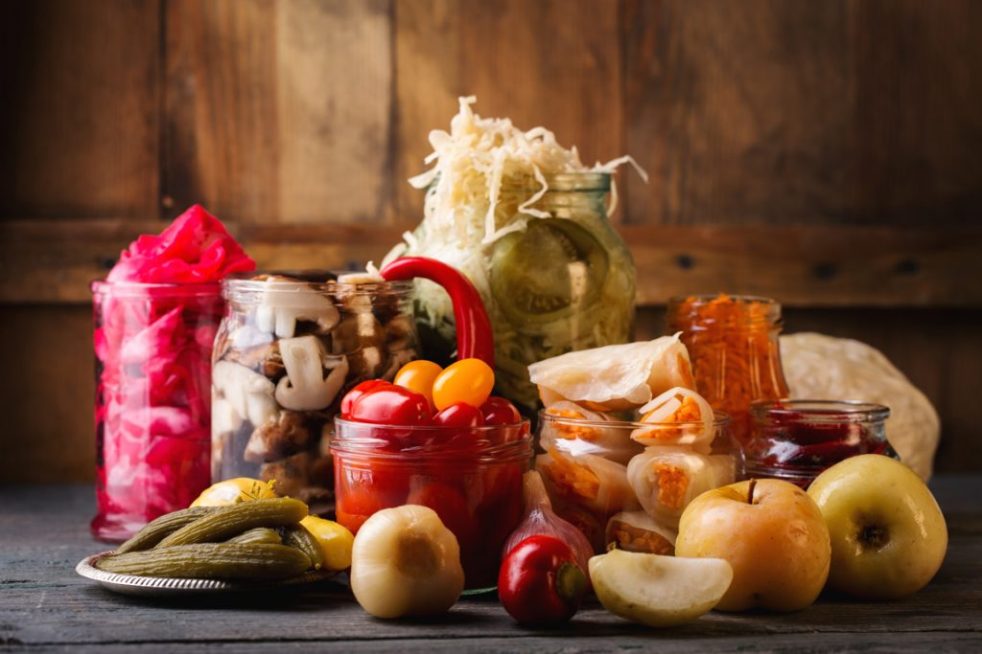
Fermentation is what happens when microorganisms break down food and produce beneficial acids and gases. Lactic or Lacto fermentation is the name given to the process of lactobacilli breaking down food in a controlled environment to help digest hard-to-process sugars and turn them into acids that rebuild your body’s ability to digest food.

Lacto fermentation is an ancient form of food preservation that was the ancestor of staple foods we have today such as bread, wine, and cheese. Basely, it is the bubbles you find in sourdough, the fizzy-ness of juice left out on the counter too long, and the sharp taste of milk that is a little past it’s due date. You see, on every vegetable, in every lump of bread dough and even in the air around you, there are bacteria and yeasts that love to feast on our food, if we let them.

When you prepare food in a way that is hospitable to our friends the lactobacilli and allow a fermentation period for your food before eating or cooking with it, that practice is called lacto fermentation, and it is getting more popular every day.

Fermented food and drinks are alive, in a very literal way. They have a distinctive flavor and aroma that ranges from light and bubbly to strong and pronounced. Think of the smell of sauerkraut, pickles, and fresh baked, warm sourdough bread.

Eww!

You may think that this is gross. Why would you sour perfectly good food? Well, because it is good for you and because it is a delicious way to make your diet healthier and more diverse in beneficial bacteria. Do you like cheese? Sourdough bread? Wine? Ale? Sauerkraut? These foods all started with basic lactic fermentation of milk, wheat, grapes, barley and cabbage.

So, what are the health benefits of lacto fermentation?

Lactic fermentation not only preserves vitamins and minerals already present in food, but it breaks down the hard-to-digest vitamins and sugars, making them easier for your body to process. The lactic fermentation of milk can be a great option for the lactose intolerant, for lactobacilli feast on the milk sugar lactose and produces a healthy and easy-to-digest lactic acid. Lacto fermenting grain and legumes can and will greatly increase the health benefits and digestibility of both food groups.

Lacto fermentation creates new vitamins, as well. These include but are not limited to:

  1. Folic acid
  2. Niacin
  3. Thiamin
  4. B 12

Lactobacilli can also produce omega-3 fatty acids, crucial to your body’s cell structure and even brain and immune system function.

How do I get started and find out more?

There are loads more information to be found in books, online and periodicals dedicated to the rediscovery of this ancient form of food preservation and preparation. Websites such as Cultures for Health and GNOWFGLINS are priceless resources to the new food fermenter. They provide endless information, articles, recipes, supplies, how-to articles, and one-on-one help and guidance. There are e-classes, e-books and an entire community of other people culturing and fermenting foods who will share their experiences and share advice to help you get started on your way to a healthier, wider and more flavorful diet of cultured and fermented foods.